Interior Steel & Glass Doors: Offices, Wine Rooms & Dividers
Interior steel doors bring light into the middle of the house
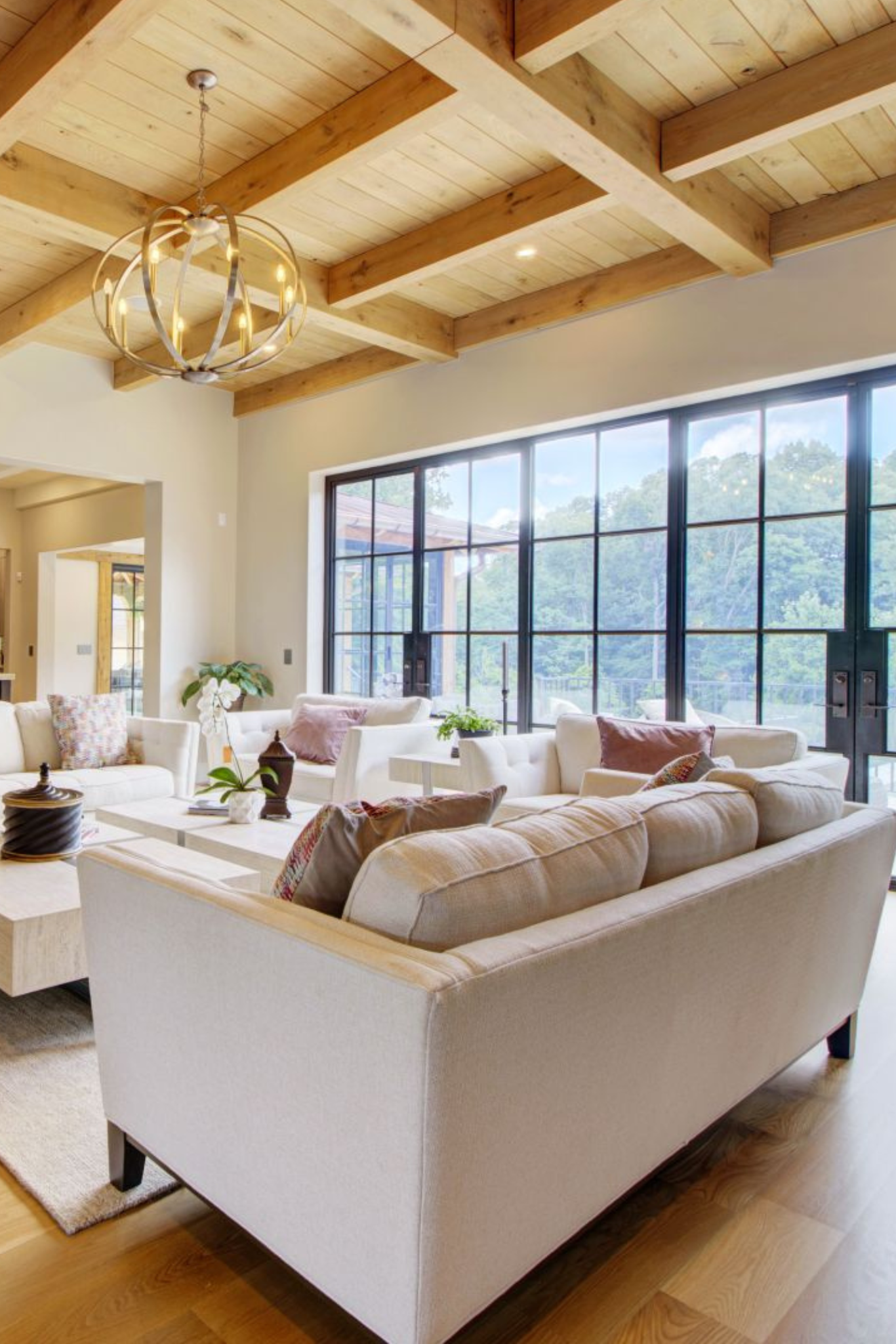
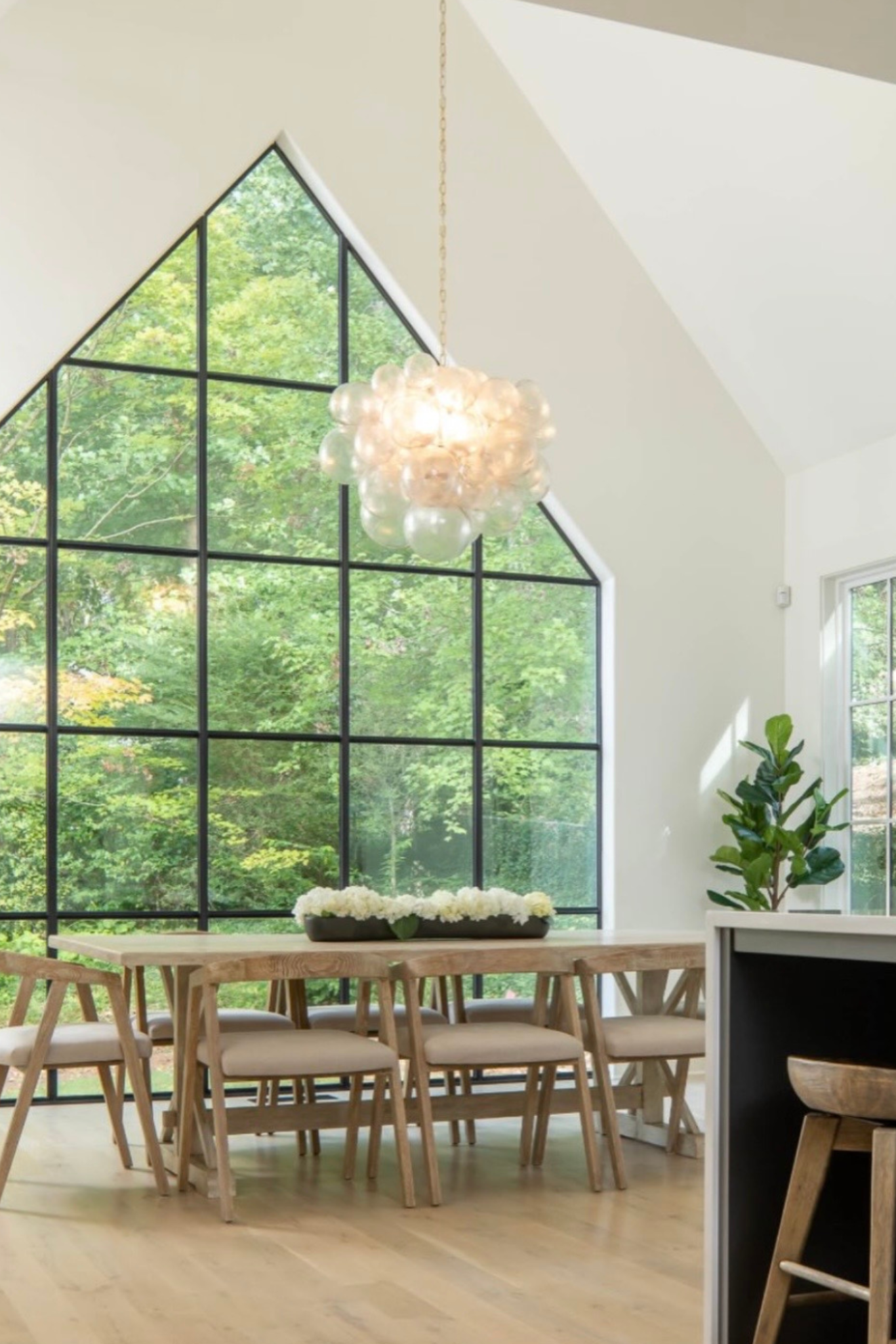
Steel doors have a reputation as front doors: heavy, handsome entries that greet guests. But some of the most striking uses of steel and glass are inside the house. A slim steel frame holds a lot of glass with very little metal, so an interior steel door lets light reach a hallway, office, or dining room that would otherwise feel closed off, while still giving you a real door that closes.
That combination of openness and separation is why designers and homeowners keep asking for interior steel-and-glass doors in three places in particular: home offices, wine rooms, and room dividers. Below we walk through each one, plus the styles, glass options, and finishes that make them work.
Why choose steel and glass for interior doors?
- More glass, less frame. Steel is strong enough to run very slim profiles, so the glass does most of the work. You get the sightlines of an open plan with the function of a door.
- Borrowed light. Rooms without exterior windows, like an interior office, pantry, or closet, can pull daylight from nearby rooms.
- A door that defines a space. Steel and glass mark the edge of a room without walling it off, which is why they work so well between a living area and a study or dining room.
- Built to last. Steel doesn't warp or swell with humidity the way wood can, and a quality finish holds up to daily use.
- Design flexibility. Grid patterns, glass textures, and finishes can match a traditional, transitional, or modern interior.
Matching interior steel doors to your home's style
Interior steel doors aren't only for modern homes. The profile, grid pattern, glass, and finish decide whether a door reads as sleek, classic, or somewhere in between.
Modern and contemporary
Modern interiors call for minimal framing and maximum glass. A narrow profile such as Stellar Slimline™ with large, undivided panes of clear glass keeps the look minimal. Matte Black is the go-to finish, though a soft white or grey can make the frame almost disappear against a light wall. Pivot doors and floor-to-ceiling panels suit this style especially well.
Transitional
Transitional homes blend clean lines with traditional warmth. Simple grid patterns, such as two or three horizontal lites, add structure without feeling ornate. Pair a black or dark grey frame with warm wood floors and brass or bronze hardware for a well-proportioned look.
Traditional and European-inspired
In a traditional home, interior steel doors recall the steel casements of early twentieth-century European houses. Divided lites, French door pairs, arched tops, and transoms on top of the door all fit here. Metal finishes such as bronze or pewter, and textured glass such as Flemish or Reeded, add age and character.
Industrial and loft
Industrial interiors lean into the steel itself: visible grids, heavier profiles like Stellar Bold™, and black or raw-metal-look finishes. A full-height steel-and-glass wall between a kitchen and a home office, or around a stair, is a signature of this style.
Home offices: privacy without isolation
The home office is the most common place we see interior steel doors today. Working from home means you need a door you can close for calls, but a solid door can make a small office feel like a closet.
A steel-and-glass door solves both problems. You can close it for focus and sound separation, and still see into the rest of the house, so the office feels connected rather than shut away. A few things to think about:
- Single or double. A custom single steel door suits most office openings. A pair of steel French doors makes a statement when the office opens off a living room or entry.
- Glass for privacy. If you take video calls, consider a textured or frosted glass so the room behind you isn't on display (see the glass section below).
- Sound. Glass will never block sound like a solid wall, but well-fitted doors with insulated glass reduce noise noticeably compared with an open doorway. Ask us about glazing options if quiet matters most.
Layout tips for a steel and glass office:
- Put the desk so it faces into the room or toward a window, not with your back to the glass door. Light from the door then falls across the workspace instead of creating glare on the screen.
- If the office is in a converted bedroom or nook off a hallway, a steel-and-glass door can make the hallway feel brighter.
- For a two-person office or a family study, French doors let you open the room fully when it doubles as a reading room or guest space.
- Plan the lighting at the same time. A glass door showcases the room at night, so lamps, sconces, and shelf lighting become part of the view from the rest of the house.
Wine rooms: show the collection, protect the climate
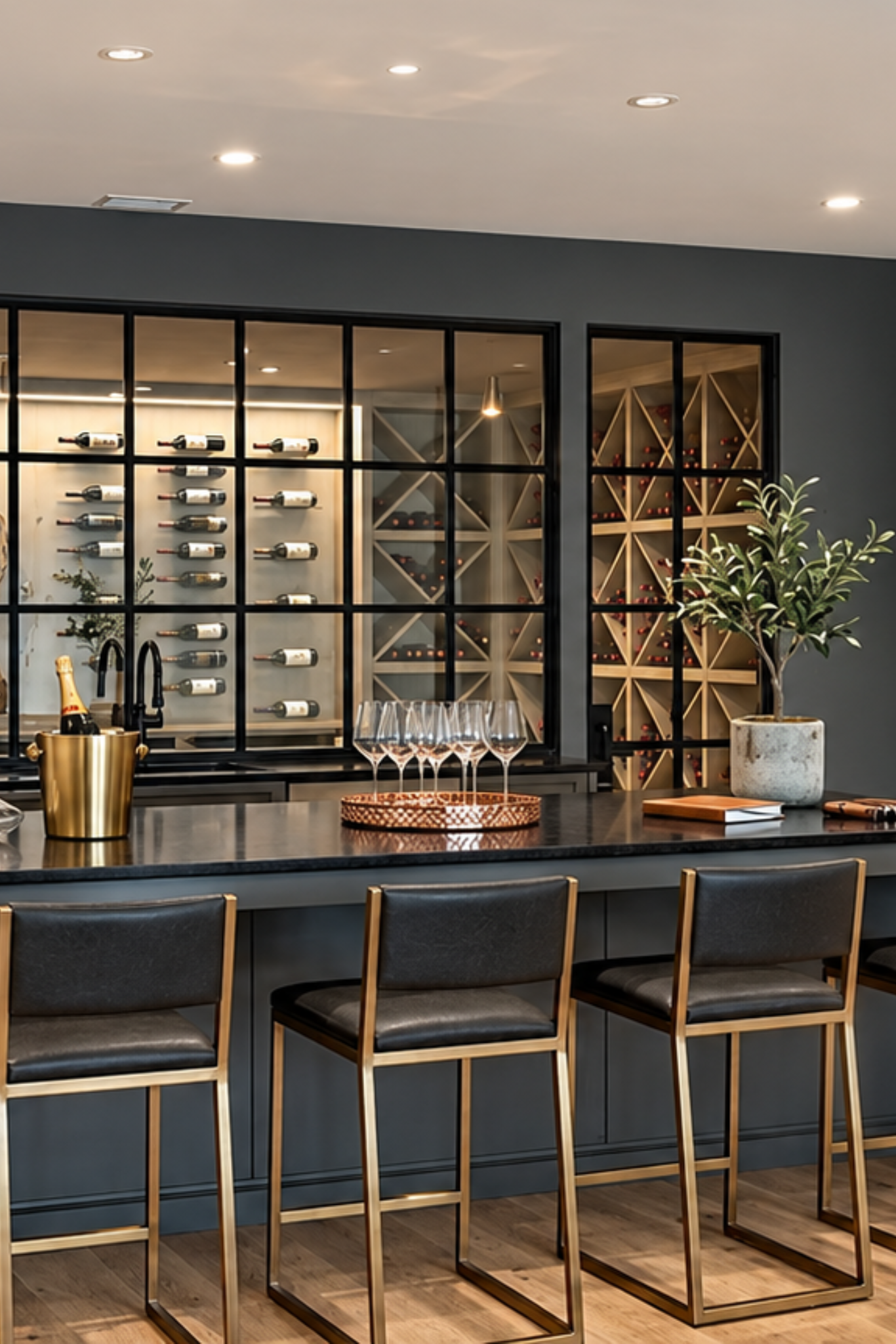
A wine room is meant to be seen. Steel and glass doors turn a collection into a design feature, whether it's a full cellar or a glass-walled room off the kitchen or dining room.
The door also has a practical job: helping to keep temperature and humidity steady inside the room. Insulated, double-glazed glass and a well-sealed door help the cooling system do its work. If your wine room is climate-controlled, talk with your cooling installer and us early so we can specify the door, seals, and glass together. We cover this in more depth in How to Create a Luxurious At-Home Wine Cellar with Steel Windows and Doors.
Popular wine room choices include clear glass to show off the racking, a single door with a fixed glass panel beside it, or a full steel-and-glass wall with a door set into it.
Room dividers: separate spaces without closing them off
Open floor plans are bright and sociable, but they don't always give you a place to retreat. Steel and glass room dividers split one large space into two while keeping light and views moving between them. Common spots:
- Between a living room and a study or library
- Between a kitchen and a dining room or pantry
- Around a master suite, separating the bedroom from a sitting area or dressing room
- At the top or bottom of a staircase
- Between a mudroom and the main living space
For wide openings, a fixed steel-and-glass partition with a middle door works well. Where you want the option to open the space completely, steel accordion doors fold back out of the way. A steel pivot door makes a dramatic entrance to a study or master bedroom. And transoms and sidelights let a standard-height door fill a tall opening with glass.
Planning a divider that works:
- Decide how often it will open. If a divider stays closed most of the day, it can be a fixed partition with a single door. If you want to throw it open for parties, choose French or accordion doors.
- Match the ceiling height. A partition that runs floor to ceiling looks architectural and intentional. One that stops short can look like an afterthought.
- Keep the sightlines. Line up the grids with nearby windows, cabinets, or ceiling beams so the divider looks like it has always been there.
More rooms that suit interior steel and glass doors
Offices, wine rooms, and dividers are the most popular uses, but steel and glass doors solve problems all over the house:
- Primary closets and dressing rooms. A steel-and-glass closet door turns a walk-in into a boutique-style dressing room. Frosted or textured glass keeps the contents private.
- Pantries and butler's pantries. A glass door lets you see what's inside and keeps a kitchen feeling open, while hiding small appliances and clutter from guests.
- Bathrooms and water closets. With frosted glass, a steel door brings light into an interior bathroom without giving up privacy.
- Home gyms. A glass door keeps a workout room connected to the house and helps contain equipment noise.
- Media rooms and playrooms. Parents can see into a playroom from the kitchen or living room while noise stays mostly contained.
- Guest suites and in-law suites. A steel-and-glass door at the entrance to a guest wing gives visitors their own space while keeping the house feeling open.
- Stairwells and landings. A steel-and-glass partition at a stair lets light travel between floors and adds a striking architectural feature. Check fire-separation rules with your builder first.
Styles and configurations for interior steel doors
Our doors come in four profile styles, each having its own character:
- Stellar Classic™: suited to traditional and transitional homes. We offer our interior single and double doors in this profile.
- Stellar Bold™: a stronger profile with larger glass areas.
- Stellar Slimline™: narrow sightlines for a minimal, modern look.
Configurations include single doors, double and French doors, pivot doors, accordion doors, and fixed panels, transoms, and sidelights. Grids (also called divided lites) can be added for a more traditional or industrial look. Browse the full range on our doors page.
Choosing glass: from fully clear to fully private
Glass is what makes an interior steel door yours. The choice comes down to how much you want to see through it:
- Clear glass: maximum light and view. Best for wine rooms, dining rooms, and dividers between shared spaces.
- Textured glass: softens the view while still letting light through. Options such as Reeded, Flemish, Hammered Water, Rain Storm, and Aquatex blur what's behind the door without making it feel solid.
- Frosted glass: the most privacy. Sandblast glass works well for offices, bathrooms, closets, and anywhere you want light without a view.
Single pane or insulated glass? For most interior doors, single-glazed safety glass is enough. Insulated (double-glazed) glass makes sense when you want better sound control, such as between an office and a family room, or when the room needs to maintain a specific climate, such as a wine room. Insulated units also tend to reduce condensation when one side of the door is cooler than the other.
Hardware for interior steel doors
Hardware is the part of the door you touch every day, so it deserves as much thought as the glass and finish. Explore our options on the hardware page.
- Levers vs. pulls. Levers are standard on hinged doors and easy to use. Long vertical pulls suit pivot doors and give a modern, architectural look.
- Finish. Match the hardware to the door frame for a continuous look, or contrast it, such as brass hardware on a black frame, to make it a focal point. Keep hardware finishes consistent from room to room so the house feels coordinated.
- Hinges and pivots. Steel and glass doors are heavier than hollow-core wood doors, so hinges or pivot hardware are sized to the door's weight. That's part of what gives a steel door its solid, smooth swing.
Finishes that match your interior
Interior doors are seen up close every day, so finish matters. Steel can be finished in a wide range of colors, from Matte Black, the most popular choice for a crisp, gallery-like look, to whites, creams, beiges, and greys, which merge into lighter interiors. Metal finishes such as bronze, copper, gold, and pewter add warmth and pair well with traditional hardware. See finished projects in our gallery.
What affects the cost of interior steel doors?
Every custom steel door is priced to the project. The main factors are:
- Opening size: taller and wider openings require more steel and glass.
- Configuration: a single door costs less than French doors, pivot doors, accordion systems, or full partitions with transoms and sidelights.
- Glass: textured, frosted, or insulated glass costs more than a single clear pane.
- Finish and hardware: specialty metal finishes and custom hardware add to the total.
The best way to get an accurate number is to share your opening sizes and photos with our team. You can also check our in-stock doors for ready-to-ship sizes.
Planning your interior steel door, step by step
A custom steel door is built to your exact opening, so a little upfront planning helps the project run smoothly.
- Choose the room and the purpose. Decide what the door needs to do: give privacy, show off a space, or bring light through.
- Measure the opening. Your contractor should measure the rough opening (the framed opening before trim) at several points, since older walls and floors are rarely perfectly square. For new construction, share the architectural drawings.
- Decide the swing. Note which way the door opens and which side the hinges go on. Check that the swing won't hit furniture, cabinets, light switches, or another door.
- Account for the finished floor. Tile, stone, and hardwood each change the height under the door. Plan the door for the finished floor height, not the subfloor.
- Pick the design, glass, and finish. Use the sections above to narrow down profile, grids, glass, and finish. Our gallery or our Pinterest is a good place to collect ideas.
- Choose hardware. Decide on the shape and finish, and view our options here.
- Review drawings and order. We prepare drawings for your approval before fabrication. Learn more about what happens next in How Long Do Custom Steel Windows and Doors Take?
- Prepare for installation. Steel and glass doors are heavy, so your contractor or installer will confirm the framing and header can support the weight before the door arrives.
Frequently asked questions
Are steel and glass interior doors private enough for an office or bathroom? Yes, with the right glass. Frosted or heavily textured glass lets light through while blocking a clear view.
Do interior steel doors block sound? They reduce sound compared with an open doorway, especially with insulated glass and well-fitted doors, but no glass door is as quiet as a solid wall.
Can I add an interior steel door to an existing home? Yes. People often add interior steel doors during renovations to replace a solid door, close off an open office nook, or create a wine room. Your contractor will confirm the opening and framing.
How do I care for an interior steel door? Dust the frame and clean the glass with a gentle glass cleaner. Interior doors need far less care than exterior ones. See How to Maintain Luxury Steel Windows and Doors for more.
Do you install interior steel doors outside Atlanta? We serve homeowners, designers, and builders in Atlanta, Birmingham, Raleigh, Greenville, Nashville, Chattanooga, as well as our dealer network.
Are interior steel doors heavy? Yes, heavier than typical hollow-core or solid wood interior doors. That weight is part of their solid feel. Hinges or pivots are sized to support the weight, and your installer will ensure the framing is ready.
Do you make sliding or pocket steel doors? Yes! For wide openings where a swinging door won't fit, steel accordion doors fold back to open the space. Contact us about other configurations for your project.
What's the most popular finish for interior steel doors? Matte Black is the most requested, especially in modern and transitional homes. Whites, greys, and metal finishes such as bronze are popular where a softer or warmer look is wanted. View all of our options here.
May I match my interior doors to my exterior steel doors and windows? Yes. Using the same profile style and finish inside and out gives the whole house a consistent look, and it's one of the easiest ways to make a renovation feel planned from the start.
Do interior steel doors add value to a home? Custom steel doors are a feature buyers notice. See Can Steel Doors Increase Home Value? for more.
Bring light into every room
Whether it's a home office that needs a door you can close, a wine room built to show off a collection, or an open floor plan that needs a little definition, interior steel and glass doors give you separation without giving up light. Contact Stellar Windows & Doors or call 404-662-2560 to start designing yours.
Bring your project to life with custom steel design
Have questions or need expert guidance for your upcoming window or door project? Our team is here to help you explore options, understand specifications, and find the right solution for your space.

Similar articles